Lost Software Found: Your Guide to Tracking Down and Running Abandonware the Right Way
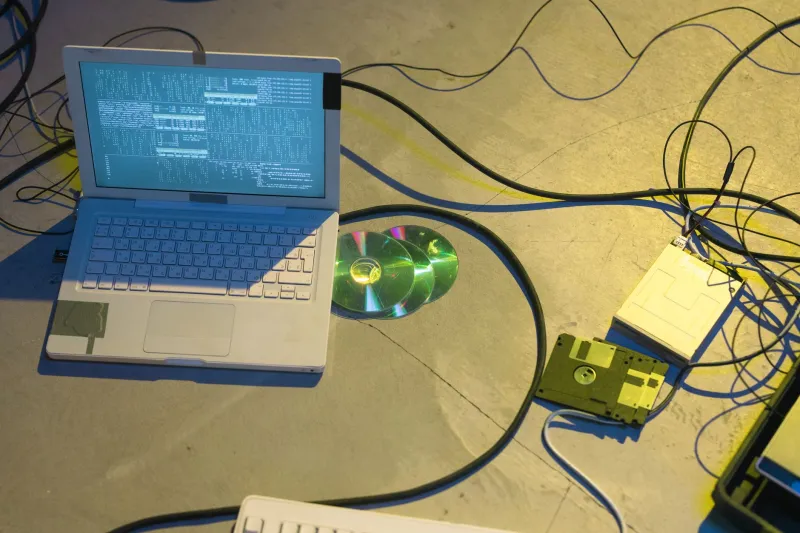
There's a particular kind of nostalgia that hits when you remember a piece of software from your past — maybe a game you played on Windows 98, a graphic design tool your school used in the early 2000s, or a productivity app that simply did one thing perfectly and has never been replicated since. You go looking for it. The developer's website is gone. The product page on the publisher's site returns a 404. It hasn't been sold anywhere in fifteen years.
What you've stumbled into is the world of abandonware — and it's a lot more complicated than it first appears.
Defining the Term (It's Messier Than You'd Think)
"Abandonware" isn't a legal classification. It's an informal community term for software that has been functionally abandoned by its publisher — no longer sold, no longer updated, and no longer supported. The operative word there is functionally, because legally speaking, copyright doesn't care whether a company is actively selling something or not.
In the United States, copyright protection for software generally lasts for the life of the author plus 70 years, or 95 years from publication for corporate works. That means a program released in 1990 by a company that dissolved in 1998 is almost certainly still under copyright — it just has no one actively enforcing it. That distinction matters enormously.
The practical reality is that most abandonware exists in a gray zone: technically protected by copyright, but with no identifiable rights holder willing or able to pursue legal action. That doesn't make downloading it legal. It just makes enforcement unlikely.
The Spectrum of Abandonment
Not all abandoned software is created equal, and understanding the differences can help you make smarter decisions:
Truly orphaned works are titles where the original developer has dissolved, the IP has never been transferred, and there's genuinely no one holding the rights. These are the closest thing to "safe" abandonware — though even here, a successor company or estate could theoretically surface.
Acquired but dormant titles are products that were bought by a larger company in a merger or acquisition and then quietly shelved. The rights are very much held by an active corporate entity, even if the software is nowhere for sale. This category carries real legal risk.
Officially released freeware is the cleanest category. Some publishers, when discontinuing a product, explicitly release it as freeware or open source. This is completely above board and should be your first target when hunting for old software.
Community-preserved software covers titles where the original rights holder has given informal blessing to fan preservation efforts, often without a formal license. It's a handshake arrangement, not a legal one.
Where to Actually Find Abandonware Legitimately
Several archives and repositories have built careful, considered collections of older software, and some operate with more legal clarity than others.
The Internet Archive (archive.org) is the gold standard. Its software library hosts thousands of older programs, many of which can be run directly in-browser through emulation. The Archive operates under a preservation mandate and has navigated significant legal scrutiny. It's the most defensible place to access older software.
GOG.com doesn't specialize in abandonware per se, but it has done extraordinary work licensing and repackaging classic software — particularly games — for modern systems. If a title you're looking for is on GOG, that's the cleanest possible way to obtain it: fully licensed, DRM-free, and often patched for compatibility.
Vetted abandonware community sites like Abandonware DOS or My Abandonware have built reputations over many years for cataloging older titles and attempting to distinguish between categories of abandonment. They're not legally bulletproof, but they operate with more care than random torrent sites.
What you want to avoid are generic file-sharing platforms and torrent sites where old software is bundled with malware, cracks, or keygens. The risk there isn't just legal — it's security.
Running Old Software on Modern Systems
Even if you find the files you're after, getting them to actually work on a modern Windows 10 or 11 machine can be its own puzzle. Here are the main approaches:
Compatibility mode is the first thing to try. Right-click the executable, go to Properties, and check the Compatibility tab. Windows can simulate older OS environments with reasonable success for software from the late 1990s and early 2000s.
DOSBox is the go-to emulator for anything that ran on MS-DOS. It's free, actively maintained, and handles the vast majority of DOS-era software reliably. If you're chasing anything pre-Windows 95, start here.
Virtual machines offer the most complete solution. Tools like VirtualBox (free) or VMware allow you to run a full installation of Windows XP, 98, or even older versions in a sandboxed environment. You'll need to source the OS license separately, but this approach gives you the most authentic compatibility.
WINE is the primary path for running old Windows software on macOS or Linux, and it handles a surprising range of older applications with minimal configuration.
A Word on Intellectual Honesty
The abandonware community often operates on a moral argument: if no one is selling it and no one is being harmed, where's the crime? It's a reasonable position emotionally, and it's driven genuinely valuable preservation work. But it's worth being clear-eyed about the fact that "no one is enforcing it" and "it's legal" are not the same sentence.
Where possible, look for officially released freeware versions, purchase through legitimate storefronts like GOG, or access through preservation platforms like the Internet Archive. When those options don't exist and you decide to proceed anyway, at least do it with your eyes open — and keep the files off shared networks.
Software history is worth preserving. The people doing it thoughtfully and carefully are making a real contribution. Just make sure you're on the right side of that line.