That Free Trial Has Teeth: How 'Download Now' Became a Billing Trap
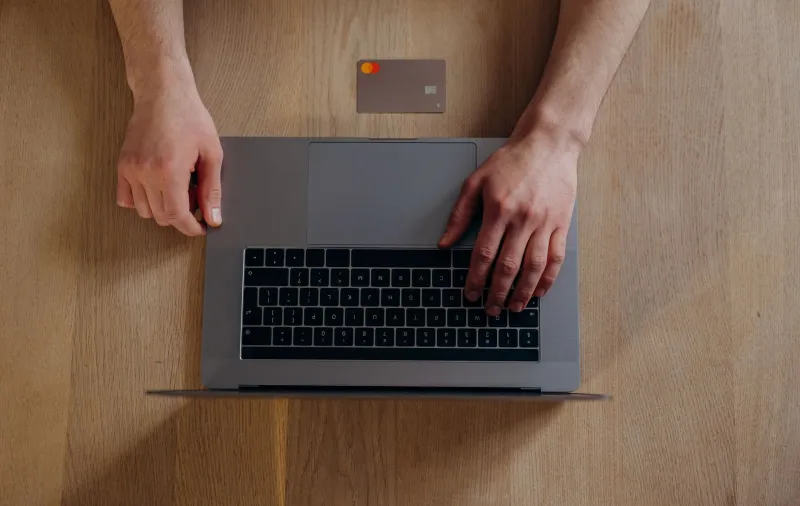
There's a moment that plays out in thousands of American households every week. Someone needs a PDF merged, a video converted, a driver updated. They search, they click, they download. Three days later, a $9.99 charge appears on their card. Then it appears again next month. And the month after that.
Welcome to the era of the subscription installer — where the download isn't the product anymore. It's the hook.
The Great Bait-and-Switch
Here's how the play works. A utility company offers a "free download" or a "free trial." The installer is genuine, the software works, and everything feels normal. But buried in the checkout flow — often after you've already entered your card for a $1.00 "verification charge" — sits an auto-renewing subscription with terms that would make a payday lender blush.
Some of these outfits are downright crafty. Trials that convert at $39.99 a month unless you cancel through a phone line with a two-hour hold. Cancellation pages designed like mazes. Charges from company names you'd never associate with the software you installed, which makes them easy to miss in a bank statement and hard to dispute.
This isn't a fringe phenomenon. Regulators have gone after PDF tool vendors, driver updater companies, and "PC optimizer" sellers for exactly these dark patterns. The FTC has made negative-option billing — where silence equals consent — a growing enforcement priority. But enforcement moves slowly, and new shells for the same old clam keep appearing.
Why They Do It
The honest answer: subscriptions are worth more. A one-time $29.99 purchase is $29.99 forever. A subscriber at $9.99 a month who forgets to cancel for a year is worth $120 — and the business model is built on the forgetting. Industry insiders have a phrase for the revenue that comes from people who don't realize they're paying: it's not an accident. It's a line item.
When a company's projections depend on inertia, guess what happens to the cancellation flow? It gets complicated. Weirdly, suspiciously complicated.
How to Spot the Trap Before It Springs
You don't need to swear off downloads. You need to read like a skeptic:
- Check the price before the download, not after. If the site hides pricing until checkout, that's a signal, not an oversight.
- Read the receipt screen. Every word. The words "renews automatically" should trigger a hard stop unless you genuinely want a subscription.
- Prefer one-time licenses. Plenty of legitimate tools still sell perpetual licenses or offer genuinely free versions. Vote with your wallet.
- Use a virtual or prepaid card for trials. If the trial converts, the charge fails. Some banks and services like Privacy.com generate single-merchant cards precisely for this.
- Calendar the cancellation date the moment you sign up. Set a reminder for two days before the trial ends. Not the day of. Two days before.
And If You're Already Caught?
Dispute the charge with your card issuer — you have rights under the Fair Credit Billing Act, and banks take recurring-charge complaints seriously. Cancel in writing and keep the receipt. And if the company makes cancellation absurdly difficult, that complaint to the FTC isn't just catharsis; it's data regulators actually use.
The download button used to be a handshake. Now it's often a mousetrap with good typography. The software industry isn't going to fix this on its own — so the savviest thing you can do is assume every "free" download comes with a billing cycle attached until proven otherwise.